About
Cities run hot and cold.
Not the weather. The feel of the place. Whether tonight is worth it, whether the streets are full, whether you would rather be somewhere else.
Glotemp reads that, city by city, and keeps reading it. You get the answer before you book.
- The register Cities on the map, already being read.
- Twelve verticals The same twelve lenses on every city. Pulse, tech, finance, work, property, education, sport, entertainment, fashion, food, health, transport.
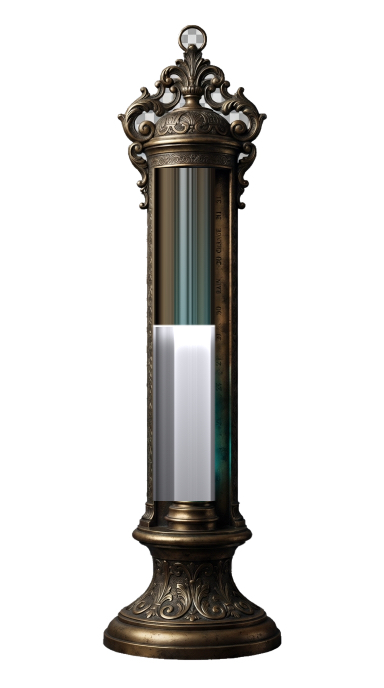
- The instrument This one is live. Pin a city and watch it settle. The same instrument every city page carries.
- The method How a reading is made lives on its own page. The face of the product is the reading, not the kitchen.
What you see
A city, as it is right now.
- A band and a number. Charged, warm, level, restrained, quiet. You will know straight away which one you are in the mood for.
- The hour there, and the sky. What is playing on the radio. What the city is talking about this morning.
- Whether tonight is the night. A room, a flight, a table. One tap, and you are on your way.
Contact
Get in touch
General and legal enquiries go to [email protected].
Advertising and partnerships go to [email protected].